
cfcw: Showing up for Florida’s Waters
“At Chittum, we believe building boats for these waters carries responsibility beyond craftsmanship. It means supporting the ecosystems and communities that make them possible…”
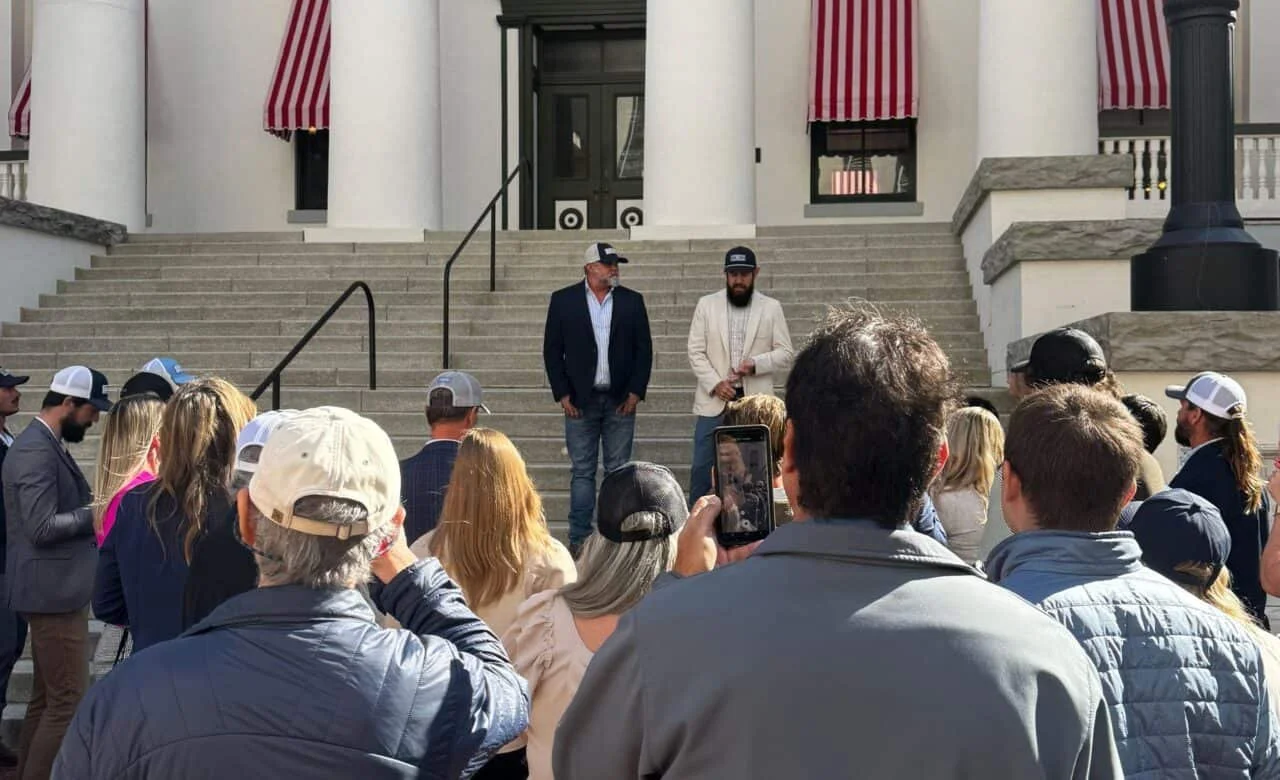
Last week, we had the opportunity to be in Tallahassee alongside Captains For Clean Water during critical discussions surrounding Senate Bill 290. From a Chittum perspective, this wasn’t politics as usual. It was a clear reminder that what happens inside committee rooms and on the Senate floor directly affects the waters we run, the fisheries we depend on, and the livelihoods built around them.
Section 48 of SB 290 — the so-called “agricultural disparagement” expansion — posed serious concerns. It would have broadened Florida’s food disparagement law to include agricultural practices and introduced one-way attorney’s fees. In plain terms, it risked chilling open conversation about practices that impact water quality.
For anyone who makes a living on Florida’s waters — guides, captains, manufacturers, boat builders, and anglers — the ability to speak openly about water quality is not optional. It’s foundational. Transparency and accountability are essential if we want healthy estuaries, thriving fisheries, and a sustainable future.
The Senate Rules Committee ultimately removed that provision. That did not happen quietly or accidentally. It happened because thousands of people engaged — sending emails, making calls, showing up in person, and refusing to let it slide by unnoticed.
Watching how bills move. Listening to the language used. Seeing how amendments are introduced. Understanding the pace and pressure of committee hearings. These experiences reinforce how important it is to stay informed and proactive.
Captains For Clean Water does an exceptional job organizing this effort. Their team not only tracks the legislation, they break it down, explain the implications, and equip people to engage intelligently and effectively. They translate complex legal language into clear understanding. They make it possible for business owners, captains, and citizens to participate in a meaningful way.
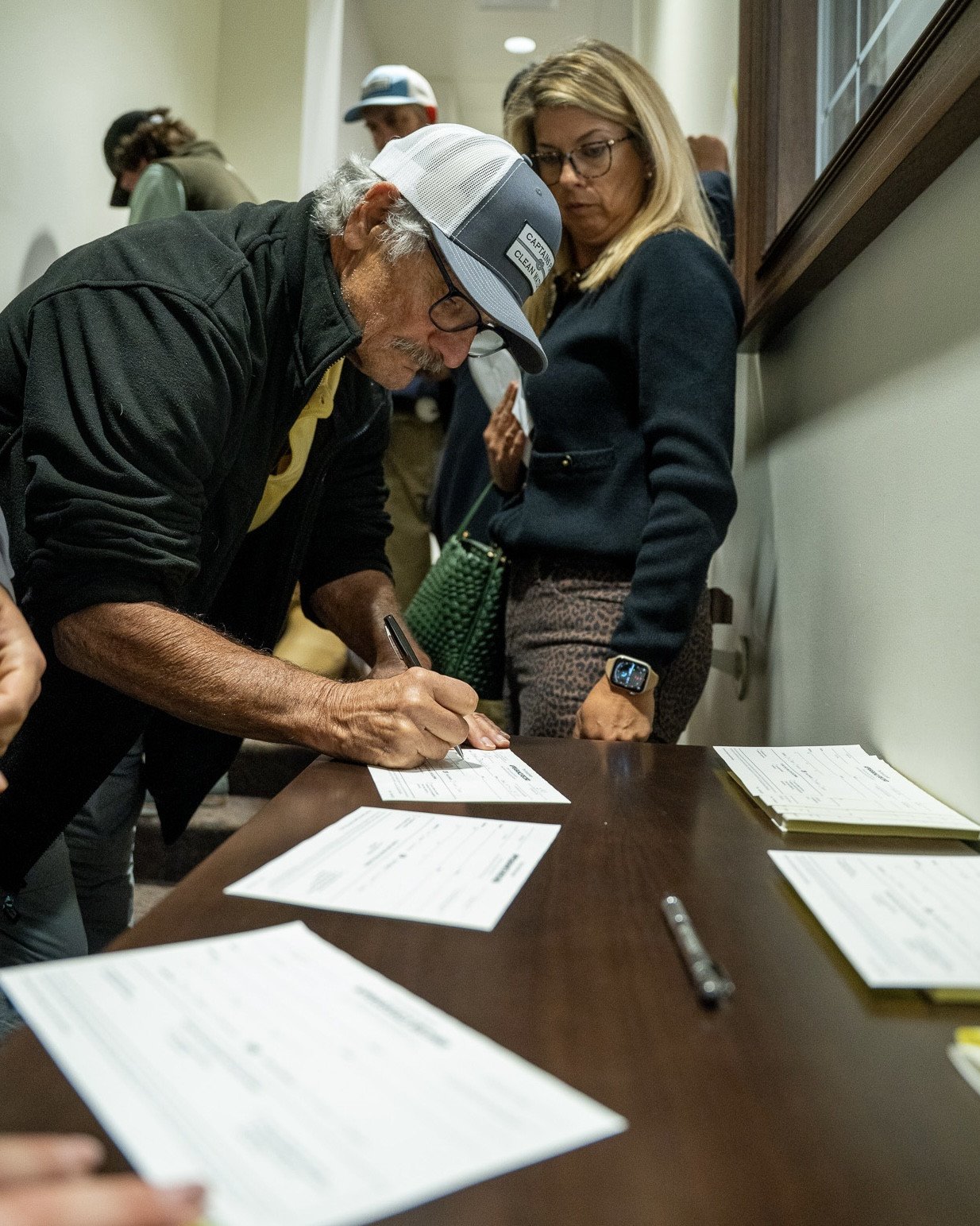
When harmful policy limits accountability or discourages open dialogue around environmental practices, it threatens more than headlines. It threatens habitat.
When water quality suffers, fisheries decline. When fisheries decline, guides suffer. When guides suffer, the entire ecosystem of businesses around them feels it — including boat builders.
Stewardship requires a wider lens. Staying engaged in legislative developments is part of protecting the future of this industry.
Legislative session runs through March 13, and while Section 48 was removed from the Senate version, similar language remains in the House companion bill. That means continued attention is necessary.
This week reinforced something important: informed, organized engagement works. When people show up — physically and vocally — it moves the needle.
Being present in those rooms, standing shoulder to shoulder with captains and business owners who depend on Florida’s waters, was a powerful experience. It was a reminder that protecting the places we fish isn’t passive. It requires vigilance.
At Chittum, we believe building boats for these waters carries responsibility beyond craftsmanship. It means supporting the ecosystems and communities that make them possible.
We’re grateful to Captains For Clean Water for the work they do to organize, educate, and lead. And we encourage every boat owner, angler, and waterman to stay informed and engaged.
Because protecting Florida’s waters protects all of us.
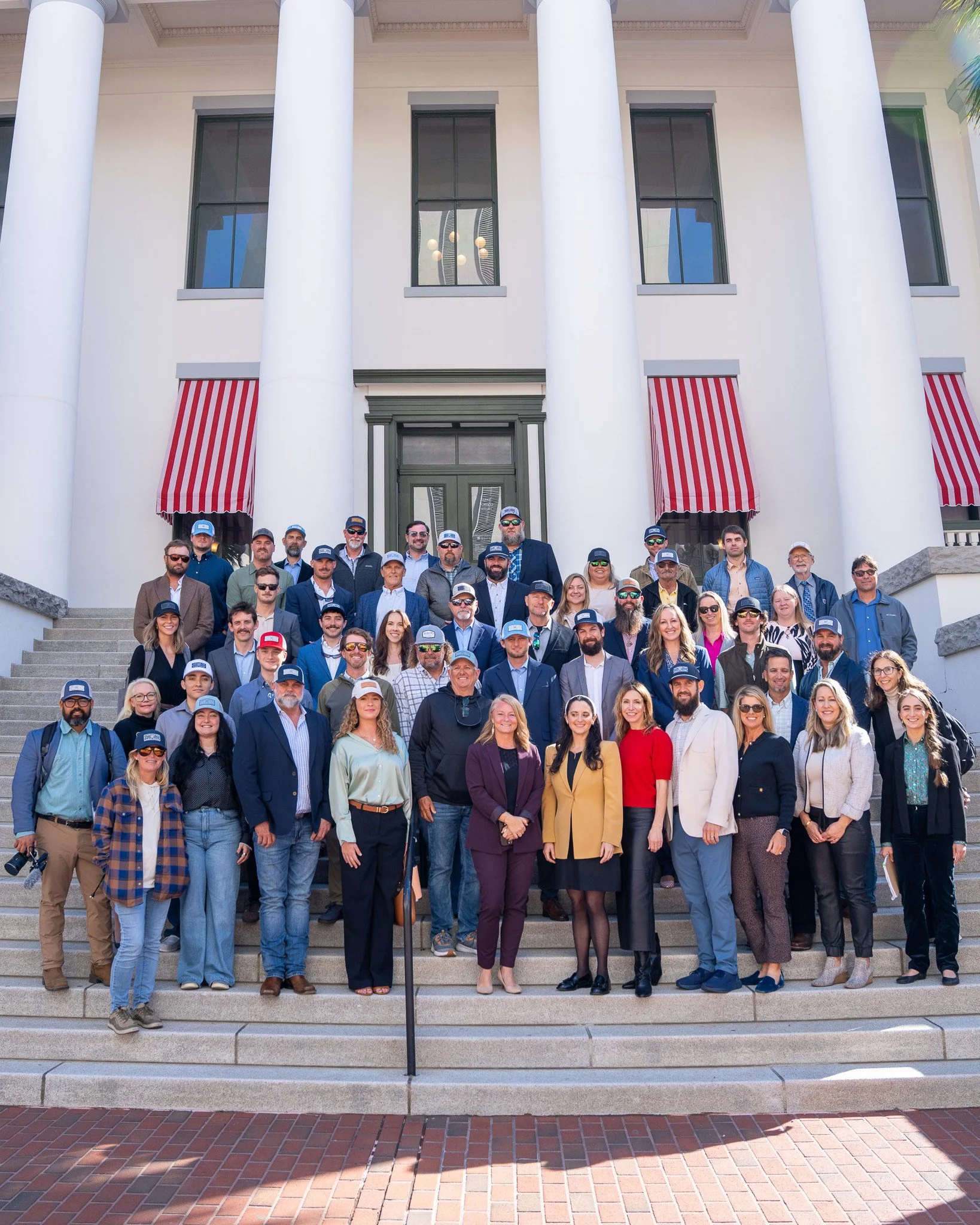
Learn more about Captains For Clean Water & Consider supporting their mission to restore and protect aquatic ecosystems for the use and enjoyment of all.
Learn More.
